In recent months, everyday essentials such as food, fuel, soaps, and oils have become noticeably more expensive, reflecting the impact of inflation—an ongoing increase in the prices of goods and services that raises the cost of living and erodes household purchasing power. Recent official data shows India’s retail inflation rose to 3.21% in February 2026, up from 2.74% in January, driven in part by higher prices for food and personal care products, even as overall inflation 2–6% target range.These upward price movements have many households concerned about how to manage personal finances amid rising costs, making it essential to understand inflation’s effects and adopt strategies to protect budgets and financial stability.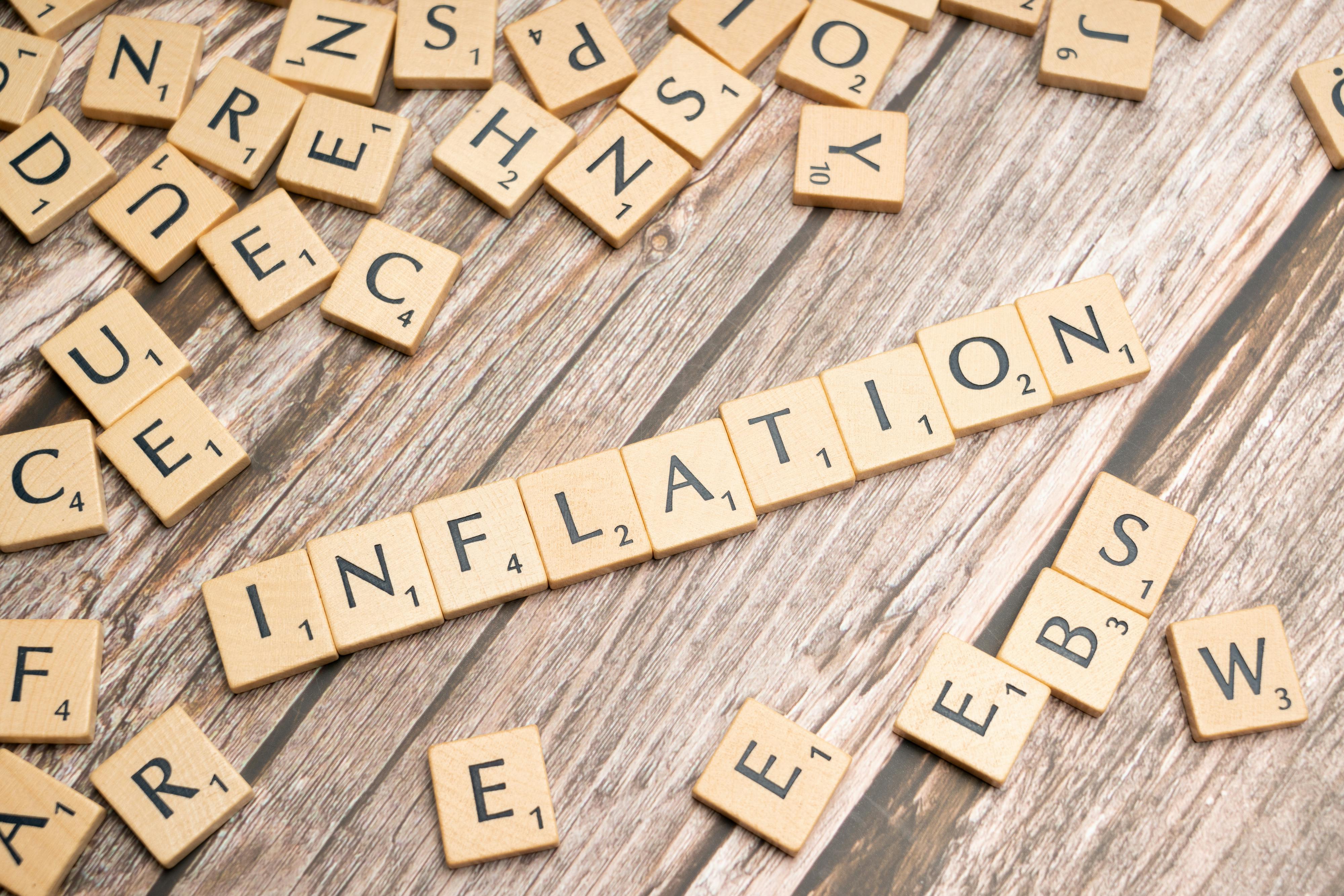
What Is Inflation?
Inflation refers to the general increase in the prices of goods and services over time. It means that the same amount of money will buy fewer goods or services than before. Economists commonly measure inflation using the Consumer Price Index (CPI), which calculates the average change in prices for a representative basket of goods and services over a given period.
How Inflation Impacts Household Budgets
Inflation directly affects the cost of living, which is the total amount required to maintain a certain standard of life. For households, this means that even if consumption levels remain constant, monthly expenses will increase.
Ways to Manage Rising Costs
There are several strategies individuals can adopt to cope with inflation:
-
Reduce Non-Essential Spending: Cut back on discretionary items and focus on essentials. This includes minimizing luxury purchases, dining out, or subscriptions.
-
Supplement Income: Consider secondary sources of income, such as freelance work, part-time jobs, or monetizing skills, to offset rising expenses.
-
Optimize Consumption: Purchase smaller quantities, buy in bulk for discounts, or switch to more affordable alternatives without compromising quality.
-
Track Expenses: Regularly monitor your spending using budgeting tools or apps to identify areas for savings and prevent unnecessary expenditures.
Understanding Future Inflation Trends
While current inflation in India remains moderate, there are signs of evolving trends that households should monitor. Retail inflation rose to 3.21% in February 2026, up from 2.75% in January, driven by higher food and essential prices, though it still sits comfortably within the Reserve Bank of India’s targeted tolerance band.
This suggests that prices are gradually climbing after a period of subdued inflation early in the year, influenced by factors such as global commodity costs, supply chain fluctuations, and geopolitical uncertainties that could affect energy and food prices.
Strategies to Inflation-Proof Your Finances
Managing personal finances during inflation requires both awareness and proactive planning. Here are some actionable strategies:
1. Budget with Inflation in Mind
Create a monthly budget that anticipates rising costs. Include a contingency for price increases in essentials such as groceries, fuel, and utilities. Adjust allocations periodically based on actual spending trends.
2. Use Technology for Expense Tracking
AI-powered financial management tools, like Fi’s Analyser, can track your spending, categorize expenses, and identify areas to save. These platforms provide real-time insights, allowing households to make informed decisions and maximize savings.
3. Optimize Savings and Investments
Investing in instruments that outpace inflation is critical. Consider options like:
-
Inflation-indexed bonds or government securities.
-
Mutual funds with a history of returns exceeding inflation rates.
-
Diversified portfolios combining equity, fixed income, and gold.
These investments help preserve purchasing power over the long term.
4. Reduce High-Cost Debt
High-interest loans and credit card debt can worsen financial strain during inflation. Paying down such liabilities reduces interest expenses and frees up funds for essential spending.
5. Smart Shopping Strategies
Inflation encourages value-oriented purchasing decisions:
-
Buy seasonal products to avoid premium pricing.
-
Explore discounted or private-label alternatives without compromising quality.
How Inflation Shapes Lifestyle Decisions
Inflation not only affects budgets but also influences lifestyle choices:
-
Housing: Rising rents in metropolitan cities may prompt families to consider smaller homes or suburban areas.
-
Transport: Higher fuel costs encourage public transportation, carpooling, or switching to electric vehicles.
-
Food Habits: Households may favor home-cooked meals over dining out to save money.
-
Education & Healthcare: Families may prioritize essential spending while delaying non-critical expenditures.
Regional and Long-Term Considerations
For retirees or long-term planners, relocation to more affordable cities or towns may be a strategic move. Cities with lower living costs, such as Kolkata, Pune, or Hyderabad, allow households to stretch their savings further and reduce exposure to inflation-driven price shocks.
Additionally, keeping an eye on global trends—such as oil prices, commodity markets, and fiscal policies—helps households anticipate and adjust to inflationary pressures over time.
Conclusion
Inflation in India continues to impact the cost of living, household budgets, and lifestyle choices. While rising prices for essentials create challenges, understanding inflation, monitoring expenses, and adopting proactive strategies can mitigate its effects.
Key takeaways for managing personal finances during inflation include:
-
Track expenses regularly and budget for anticipated price increases.
-
Use digital tools like Fi’s Analyser to optimize spending and maximize savings.
Even as inflation fluctuates, households that stay informed, plan ahead, and make strategic financial decisions can protect their finances, maintain their standard of living, and achieve long-term financial stability.