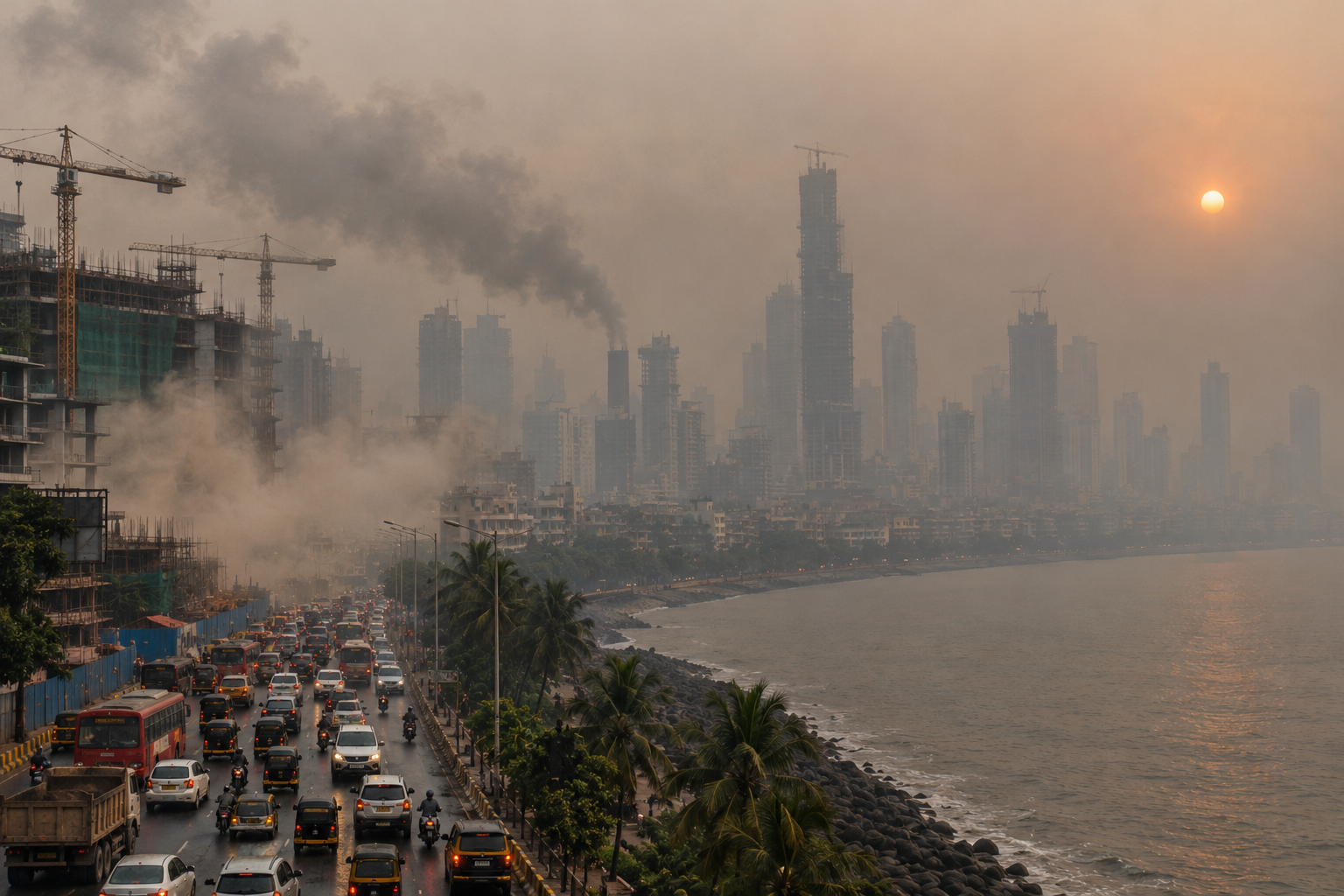
Mumbai, October 22, 2026: Mumbai’s deteriorating air quality is raising serious health concerns, with pollution levels surpassing Delhi in certain real-time comparisons. An IQAir-based ranking reported Mumbai as the world’s third most polluted city on October 20, 2026, with an AQI of 166, ahead of Delhi at that time. Air quality can fluctuate throughout the day, making regular monitoring and preventive action essential.
Fine particulate matter, particularly PM2.5, can penetrate deep into the lungs and worsen asthma, chronic obstructive pulmonary disease (COPD) and cardiovascular conditions. Traffic emissions, construction dust and changing weather conditions contribute to the city’s pollution burden.
Dr. Sanggita Checker, Consultant Pulmonologist at Wockhardt Hospitals, Mira Road, warns that vulnerable populations need extra protection when air quality deteriorates.
“Air pollution is no longer just an environmental concern; it is a serious public health challenge for Mumbai and nearby cities. Senior citizens, pregnant women and children require special attention because polluted air can aggravate existing respiratory conditions and affect overall health. People should not wait for visible smog or severe breathing difficulties before taking precautions. Checking the daily Air Quality Index, reducing unnecessary outdoor exposure and recognising early symptoms can help lower health risks. Persistent coughing, wheezing or breathlessness should never be ignored, and timely medical advice is essential,” says Dr. Checker.
Senior citizens, particularly those with asthma, COPD or heart disease, should avoid strenuous outdoor activities when pollution levels are high. They should continue prescribed medication and consult their doctors if symptoms worsen. Pregnant women should minimise unnecessary outdoor exposure on heavily polluted days, avoid congested traffic corridors and discuss individual health concerns with their obstetricians.
Children should avoid outdoor sports and strenuous exercise during periods of poor air quality. Parents should watch for persistent coughing, wheezing and breathing difficulties. Citizens should check daily AQI updates through official Central Pollution Control Board resources. Keeping homes free from tobacco smoke, ventilating indoor spaces when outdoor air is cleaner and using properly fitted N95 masks when outdoor exposure is unavoidable during heavy pollution can help reduce exposure.
Dr. Sanggita Checker of Wockhardt Hospitals, Mira Road, advises citizens to seek urgent medical attention for severe breathlessness, chest pain or rapidly worsening respiratory symptoms. Consistent precautions and timely medical care can help protect respiratory health.
Expressing concern over Mumbai’s worsening air quality, the Bombay High Court on Wednesday said it was “shocking” that the city was surpassing Delhi in pollution levels, while pulling up civic, pollution control and police authorities over the lack of enforcement of orders to curb noise and air pollution during festivities. Questioning how officials responsible for implementing the measures could have a “peaceful sleep” despite an “emergency” in which lakhs of people were suffering the ill-effects of pollution, the court warned that officers could be held accountable for dereliction of duty.